
Why Are Property Insurance Prices Rising?
Your Guide from Johal Insurance Brokers
Rising property insurance prices are hitting business owners hard, with premiums jumping due to inflation, extreme weather, and other hidden factors. Whether you’re insuring a retail store, warehouse, or office, understanding why prices are climbing and how premiums are calculated can save you thousands. In this guide, Johal Insurance Brokers breaks down the math behind property and casualty (P&C) insurance pricing to reveal the real reasons costs are up. Invest a few minutes to learn the fundamentals of an industry you’ll likely deal with for years—knowledge that pays off every time you renew your policy.
How Is Property Insurance Premium Determined?
At its core, property insurance pricing boils down to a simple formula:
$$\text{Total Premium} = \frac{\text{Property Value}}{100} \times \text{Market Rate}$$
What does that mean, and what drives the numbers? Let’s unpack it:
Property Value: This is the estimated cost of the value of your property or the cost to rebuild it. It is not just what you paid for the building—it is what it would cost today to reconstruct it (Replacement Cost) or its current market worth after depreciation (Actual Cash Value).
Market Rate: This is the rate determined by insurance carriers, typically ranging from $0.35 to $5, depending on risk factors like location and claims history. For example, a $1M property with a $2 market rate costs $20,000 annually.
The market rate isn’t random—it’s shaped by broader trends and local risks.
The Real Reasons Property Insurance Prices Are Rising
Several forces are currently pushing property insurance costs higher across the market.
1. Inflation and Soaring Construction Costs
Inflation has driven up the cost of everything, including construction materials and labor. Rebuilding a property today costs 20-40% more than it did five years ago, with lumber, steel, and skilled labor prices spiking.
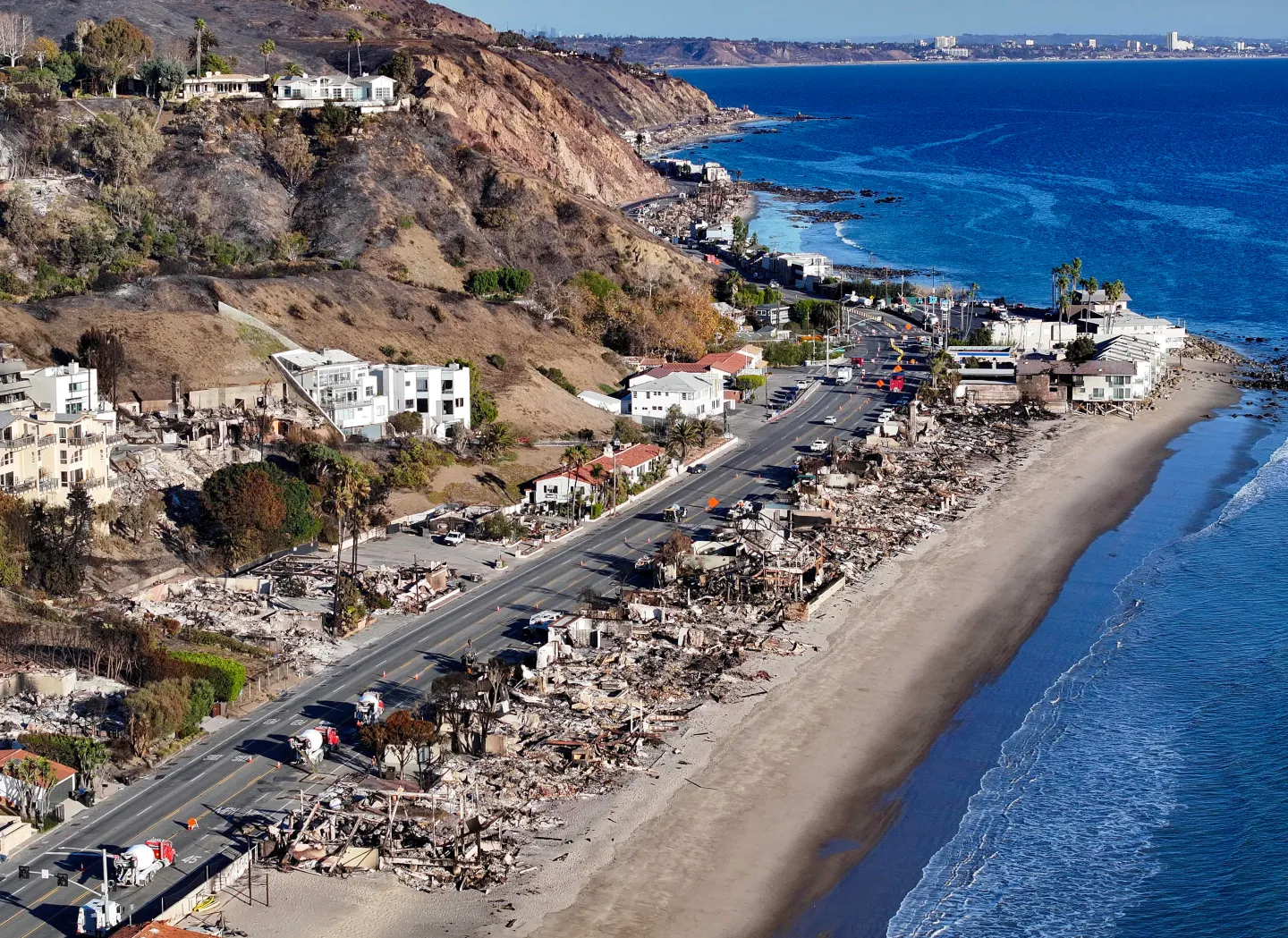
2. Extreme Weather: Fires, Hail, and Hurricanes
More frequent and severe weather events are causing record losses for insurers. In 2024, natural disasters cost insurers $100B+ globally. This raises market rates because carriers must maintain higher reserves to pay out these massive claims.